Thinking about a 30A condo, but unsure what those HOA fees really cover or whether the building’s reserves are strong enough? You are not alone. On Florida’s Gulf Coast, salt air, storms, and resort-level amenities make budgeting and reserves a big deal for owners. In this guide, you will learn how to read a condo budget, what to ask before you buy, and how reserves affect insurance and financing so you can move forward with confidence. Let’s dive in.
Why fees and reserves matter on 30A
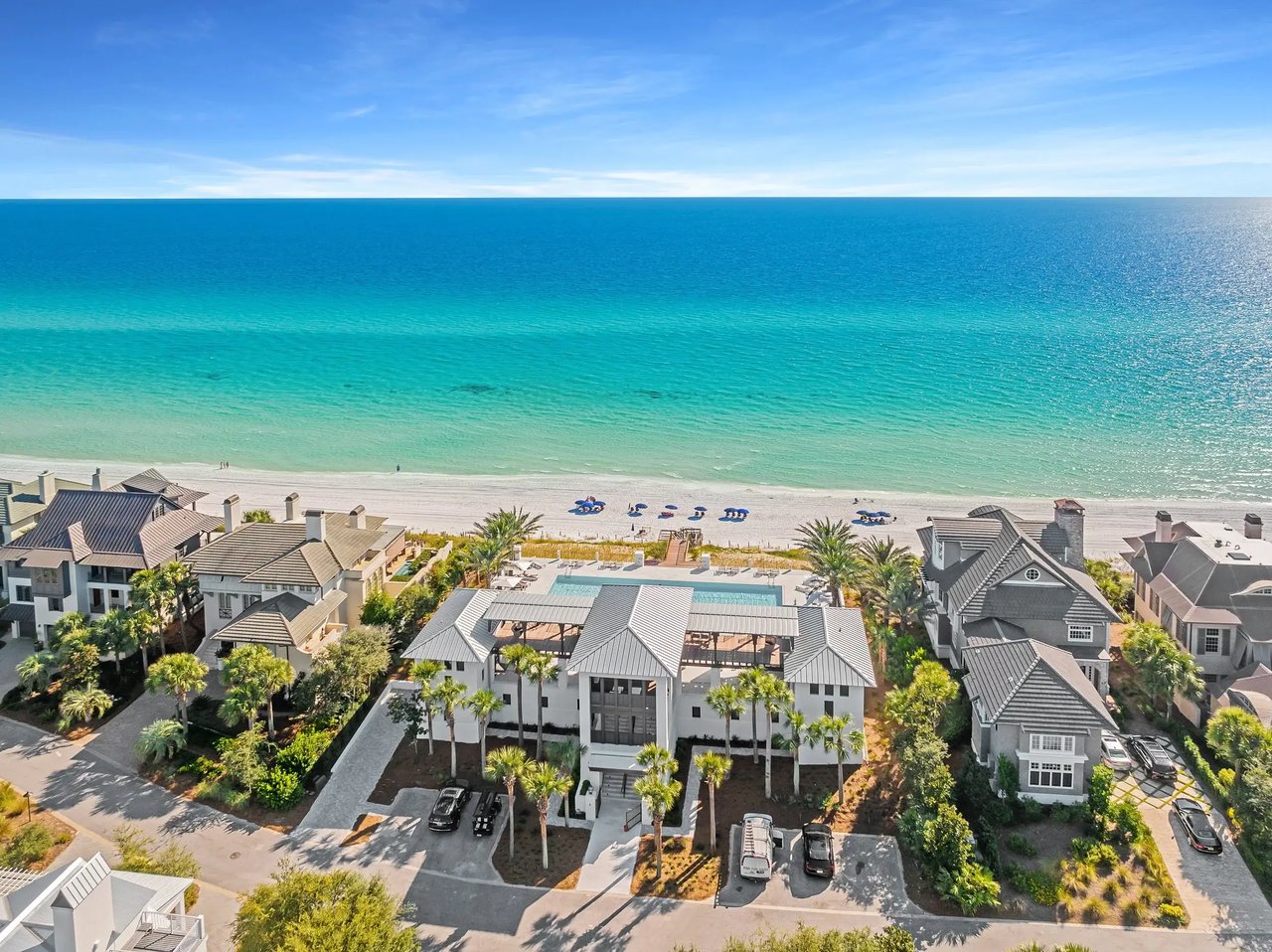
Coastal buildings work hard. Salt, wind, and moisture increase wear on roofs, stucco, windows, and waterproofing. Add in pools, elevators, beach access, and security, and you have a community that must plan well and fund repairs on time. That planning shows up in your HOA fees and the association’s reserve strategy.
Florida updated safety and reserve rules after Surfside. Florida’s Condominium Act (Chapter 718) sets standards for financial reporting, insurance, and resale disclosures that protect buyers and owners. It also requires structural integrity reserve studies, or SIRS, for residential buildings that are three or more stories. These reforms are part of the state’s broader building safety changes known as SB 4-D, which increased inspection and transparency requirements across associations. To learn more, see the overview of the Building Safety Act reforms and Chapter 718 itself:
- Read the SB 4-D summary for associations and buyers at Florida Realtors: Building Safety Act reforms overview
- Review the statute text: Florida’s Condominium Act (Chapter 718)
How to read a 30A condo budget
Operating vs. reserves
A typical budget separates two buckets:
- Operating budget covers recurring items like management, landscaping, utilities paid by the association, routine maintenance, insurance premiums, and admin costs.
- Reserve budget sets aside money for long-term repairs and replacements. You should see a line for the annual reserve contribution in the approved budget. For the legal framework on budgeting and reserves, review Florida’s Condominium Act.
Reserve studies and percent funded
A reserve study includes a physical analysis of major components and a financial plan to fund them. It inventories items like roofs, primary structural elements, exterior waterproofing and painting, and building systems, then assigns useful life, remaining life, and replacement cost. Industry expectations are outlined by CAI’s public policy on reserve studies. See the CAI summary of reserve studies and funding.
One key metric is percent funded, which compares actual reserve cash to the ideal balance the study calculates for that moment in time. There is no single legal target. Professionals generally view higher percentages as stronger, and many use ranges such as 50 percent as weak and 70 to 100 percent as healthy, adjusted for building age and near-term needs. For a plain-English explainer of the math and definitions, read the reserve study FAQ.
Always read percent funded alongside near-term projects. A “healthy” percentage can still hide a looming large expense if roofs, waterproofing, or windows are due soon.
Quick math you can do
- Reserve contribution check: If a study recommends $240,000 per year in reserves for a 100-unit building, that is about $200 per month per unit as a simple equal allocation. Your building may allocate by unit entitlements, so confirm the formula.
- Funding gap snapshot: If reserves total $300,000 but the study’s Fully Funded Balance is $2,700,000, the unfunded amount is $2,400,000. In a 100-unit building, that hints at $24,000 per unit that must be caught up over time through higher dues, a special assessment, or a loan.
What to review before you offer
Documents to request early
Order the resale or estoppel certificate as soon as you are under contract, since delivery timelines are set by statute. Ask for:
- Association resale or estoppel certificate that confirms dues, assessments, and violations. See timing in Florida’s Condominium Act.
- Full governing documents: declaration with amendments, articles, bylaws, and rules.
- Most recent approved annual budget and the prior year-end financials.
- Most recent reserve study. If the building is three or more stories, request any SIRS and current reserve balances.
- Board minutes for the past 12 to 24 months and any notices about planned assessments or capital projects.
- Master insurance policy declarations, deductibles, and any open claims.
- Litigation summary and any pending claims.
These items give you a clear picture of financial health, risk, and upcoming work. CAI also offers consumer-friendly context on reserve planning in its reserve study and funding overview.
Essential questions to ask
- When was the most recent reserve study or SIRS completed, and did it include an on-site inspection?
- What is the current reserve balance and the study’s Fully Funded Balance so we can compute percent funded?
- Are any special assessments proposed, approved, or pending, and what is the schedule?
- What are the master policy deductibles for wind or hurricane and for other perils, and how are deductibles allocated to owners if there is a claim?
- What percent of units are owner-occupied versus rentals, and what is the delinquency rate on assessments over 60 days?
- Is the building current with all state or local milestone inspections, and have any structural repairs been identified?
If answers are vague, request documentation. Consider writing contingencies tied to this review period into your contract.
Insurance you still need
Master policy vs. HO-6
Associations are required to maintain adequate property insurance for association property. Declarations and policies define whether a building is insured “bare-walls,” “walls-in,” or all-in. Review what the association policy covers and the deductibles so you know your responsibilities. For the legal context, see Chapter 718.
Most buyers also need an HO-6 policy. This typically covers interior finishes, contents, personal liability, loss of use, and a vital endorsement called loss-assessment coverage, which can help pay your share of an association assessment triggered by a claim or a large deductible. Get familiar with the basics in this overview of HO-6 coverage and loss assessment.
Wind, hurricane, and flood realities on 30A
On the coast, wind or hurricane deductibles are often percentage based, commonly 2 to 10 percent of insured value. That means the dollar amount can be large in a high-value building. Flood insurance is separate and may be required in mapped flood zones. Ask whether the association’s reserve plan or insurance strategy contemplates paying a large hurricane deductible without a special assessment. For context on Florida policy structures and deductibles, see this primer on policy updates for Florida homeowners.
Financing and resale implications
Reserves affect more than maintenance. Many lenders review the condo project itself before approving a loan. A common benchmark is that a project either contributes about 10 percent of its annual operating budget to replacement reserves or has a current reserve study that supports a different funding level. High delinquency, major litigation, or critical deferred maintenance can also cause a project to fail review. When a project does not meet these standards, buyers may face limited conventional options or need a higher down payment under non-warrantable programs. Learn how project reviews work in this condo project eligibility overview.
Healthy reserves improve buyer confidence and make resale easier. Underfunded reserves and surprise assessments can reduce your future buyer pool.
Real fee snapshots on 30A
HOA dues vary widely along 30A. Recent listing snapshots illustrate the range:
- East 30A townhome-style community: about $240 per month with limited amenities.
- Inlet Beach or Alys-adjacent mid-luxury condo: around $1,292 per month with higher amenities and Gulf proximity.
- Resort communities near WaterColor: approximately $1,273 per month, often tied to extensive amenities and services.
- Gulf-front, high-amenity buildings: about $1,737 per month based on recent quarterly figures.
These are examples, not averages. Fee structures change as insurance markets shift and as boards adopt new reserve plans. Always confirm current dues, inclusions, and reserve contributions in the estoppel and budget packet per Florida’s Condominium Act.
Smart contingencies and next steps
Use your offer to protect your interests while you complete due diligence. Consider:
- A document review contingency that allows time to review the estoppel, budget, financials, reserve study or SIRS, minutes, insurance, and any inspection reports.
- A financing contingency that is expressly contingent on project approval by your lender.
- An insurance review period to confirm HO-6 pricing, appropriate loss-assessment limits, and master-policy deductibles.
- A provision requiring seller cooperation in obtaining estoppel documents early in the contract period.
Want a second set of eyes on a budget or reserve study? Our team regularly helps buyers compare 30A communities and interpret the documents that matter. For tailored guidance and property options that match your goals, connect with Randy Carroll.
FAQs
What do 30A condo HOA fees usually include?
- They typically cover management, common-area maintenance, some shared utilities, insurance premiums, and a reserve contribution. Always check the approved budget to see exact inclusions.
What is a Structural Integrity Reserve Study (SIRS) in Florida?
- For residential buildings that are three or more stories, a SIRS is an engineering-driven review of major structural components with a funding schedule. It is required under Florida’s Condominium Act.
How do reserves affect my ability to finance a 30A condo?
- Lenders often require about 10 percent of the operating budget to go to reserves or a current reserve study that supports a different level. Weak reserves can limit conventional loan options.
What is loss-assessment coverage on an HO-6 policy?
- It is an endorsement that can help pay your share of an association assessment after a covered claim or large deductible. Consider higher limits in coastal buildings with large wind deductibles.
How can I spot a potential special assessment before I buy?
- Look for low percent funded reserves, big projects due within three years, recent or pending assessments, high hurricane deductibles, and engineering reports that note repairs.
When should I request the HOA estoppel during a 30A purchase?
- Request it as soon as your contract is executed since Florida statutes set delivery timelines. Reviewing it early helps you confirm dues, assessments, and compliance status.