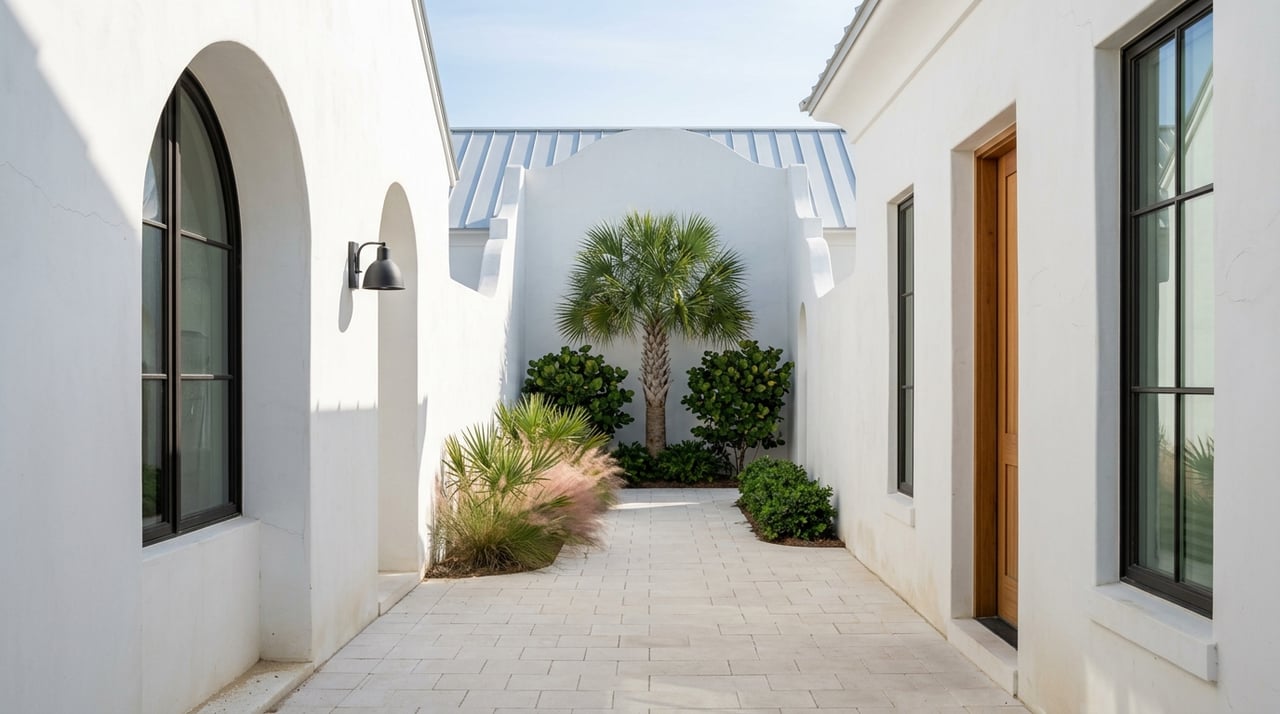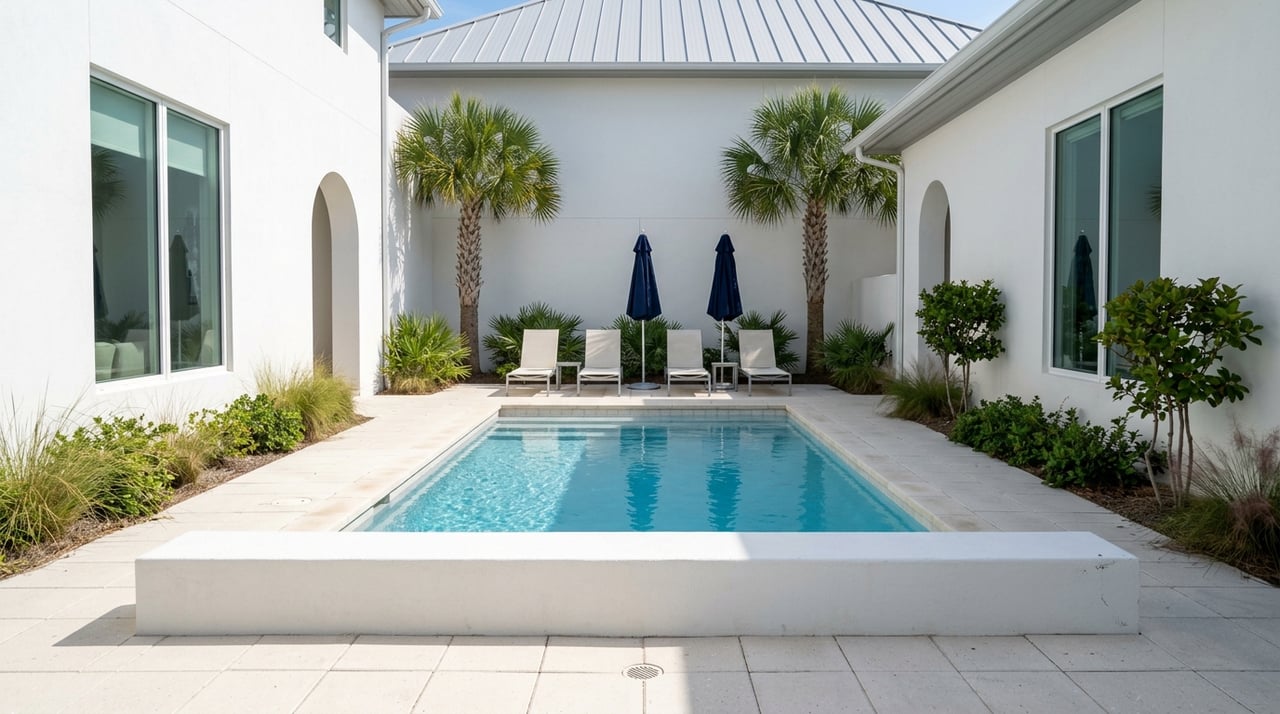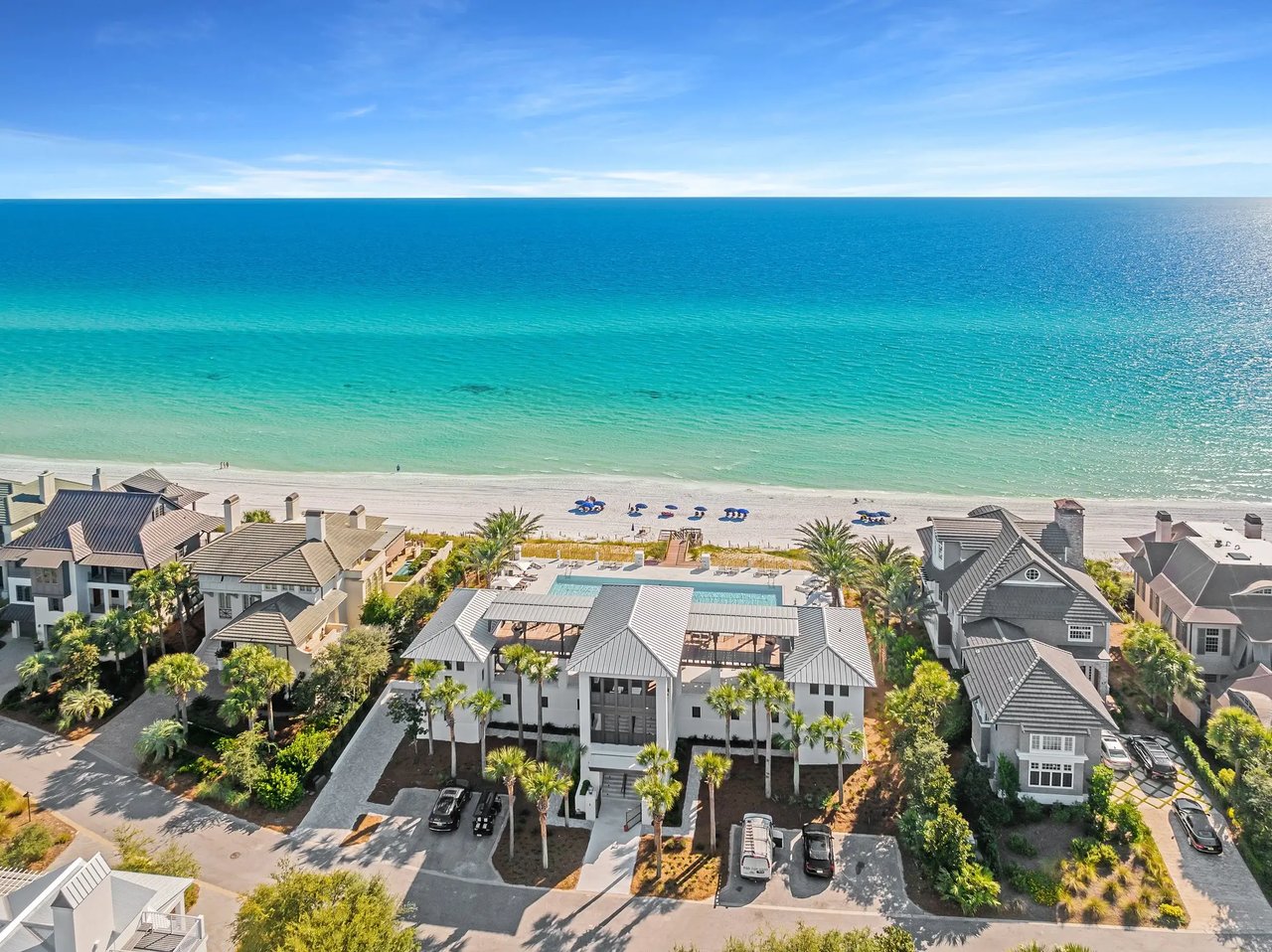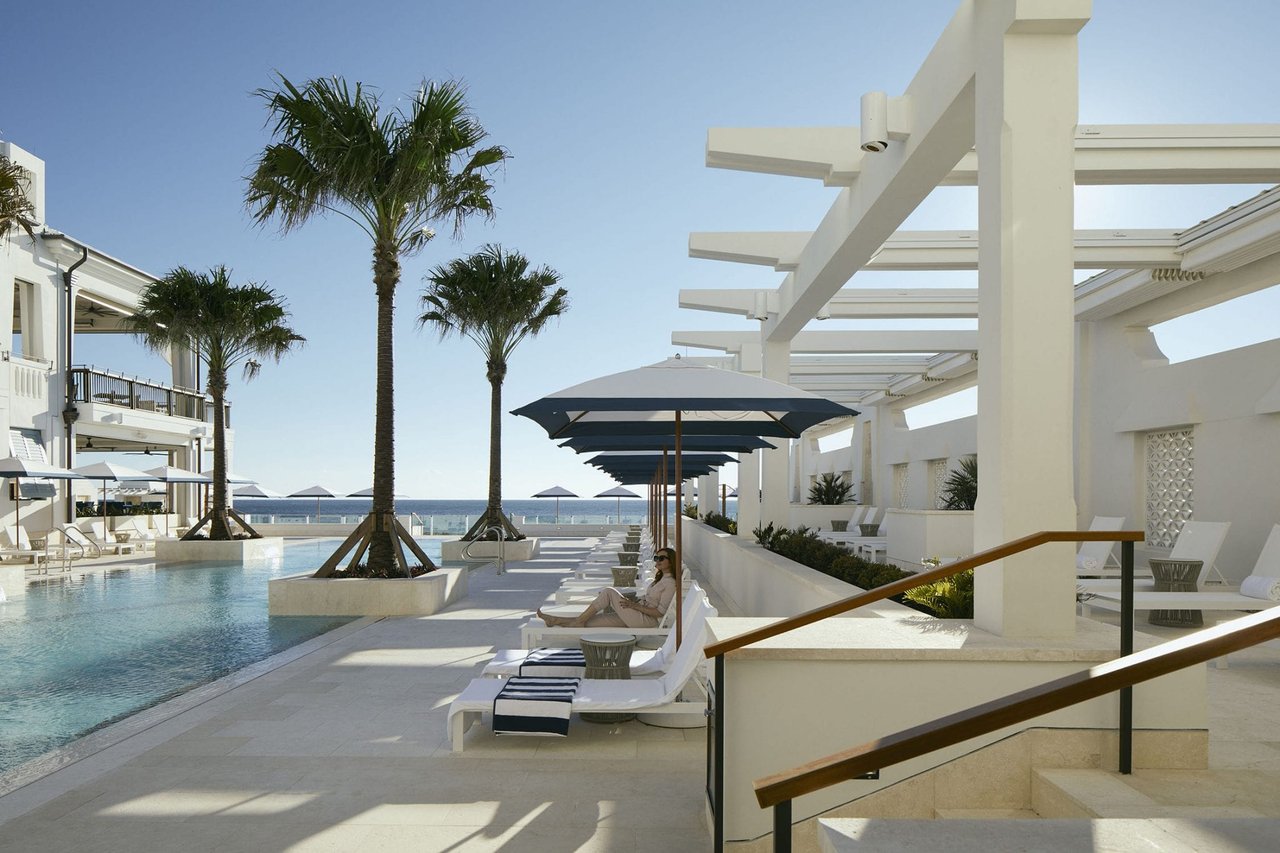
The short answer: Alys Beach homes are defined by white stucco walls, courtyard layouts, arched openings, and flat or low-pitched rooflines inspired by Caribbean and Bermudan design. Every home — new construction included — must conform to this code. No exceptions. It’s what makes Alys Beach visually cohesive in a way no other 30A community can replicate.
If you’ve driven through Alys Beach and felt like you’d been transported somewhere other than northwest Florida, that reaction is intentional. The community was master-planned by the same team behind Rosemary Beach, but with an entirely different architectural philosophy — one that creates a uniform aesthetic across every structure in the development.
This post explains exactly what that code requires, how it compares to neighboring communities, and what buyers considering new construction in Alys Beach need to understand before they build.
What Is the Alys Beach Architectural Style?
Alys Beach follows a design language most frequently described as inspired by Bermudian and Caribbean colonial architecture — specifically the whitewashed limestone buildings found in Bermuda and the hillside towns of the British Caribbean.
The defining characteristics are:
- White stucco exterior on all structures — no exceptions, no alternative color palettes
- Courtyard-oriented floor plans — homes are organized around private interior courtyards rather than front-facing facades
- Arched openings and loggias — covered outdoor living spaces with arched columns are a standard feature
- Flat or low-pitched rooflines — distinct from the steep metal roofs common in neighboring communities
- Thick wall construction — creates a sense of mass and permanence unlike lighter wood-frame construction
- Limited exterior ornamentation — the aesthetic is intentionally clean, relying on form and proportion rather than decoration
The result is a community where every home, regardless of size or price point, reads as part of the same visual vocabulary. A $2M townhome and an $8M beachfront estate look like they belong to the same place.
Why All Homes in Alys Beach Must Follow the Same Design Code
Alys Beach is a deed-restricted community governed by an Architectural Review Board (ARB) that must approve every structure built within it — including new construction, additions, and significant exterior modifications.
The rationale behind this level of control is straightforward: architectural consistency preserves and amplifies property values. When every home in a community looks like it belongs, no single structure can devalue its neighbors by introducing a mismatched style.
This is a significant departure from the approach in communities like WaterColor, where architectural guidelines exist but allow for considerably more variation in materials, colors, and rooflines.
What the ARB reviews:
- Exterior materials and finishes
- Color palette (white, exclusively)
- Roof pitch and material
- Courtyard and wall design
- Landscaping (must conform to the community’s native plant palette)
- Lighting (downward-facing, to preserve the dark-sky character of the community at night)
For buyers considering building in Alys Beach, working with an architect who has prior experience with the ARB process is strongly recommended. First-time submissions without that experience often require multiple revision rounds.
Alys Beach vs. Rosemary Beach: How the Architecture Differs
Rosemary Beach and Alys Beach were both developed by the same master planner and share a commitment to pedestrian-oriented street design and architectural control. But their aesthetic languages are very different.
Feature | Alys Beach | Rosemary Beach |
Primary inspiration | Caribbean / Bermudan colonial | New Urbanism / West Indies |
Exterior palette | White stucco only | White, cream, gray, coastal pastels |
Roof style | Flat / low pitch | Steep metal, varied |
Street orientation | Courtyard-inward | Street-facing facades |
Density | Lower | Higher — more compact town layout |
Walkable retail | Limited (hotel, 1 restaurant) | Town square with multiple dining options |
Overall character | Resort-private | Neighborhood-social |
The simplest summary: Rosemary Beach feels like a town. Alys Beach feels like a resort.
Read more about living in Rosemary Beach
Alys Beach vs. WaterColor: Formal vs. Coastal Casual
WaterColor takes a different approach entirely. Its architectural guidelines encourage variety — homes can use wood siding, varying rooflines, and a broader color palette ranging from muted coastal tones to bolder accent colors.
The result is a neighborhood that feels more eclectic and approachable, with less visual unity but more individual expression. Where Alys Beach homes look curated, WaterColor homes look personal.
Feature | Alys Beach | WaterColor |
Architectural control | Very strict (ARB approval required) | Moderate (guidelines, not mandates) |
Exterior colors | White only | Varied coastal palette |
Community amenities | Minimal (private beach access) | Extensive (beach club, pools, tennis) |
Community feel | Secluded, quiet | Active, family-oriented |
HOA fees | High | Moderate-high |
For buyers choosing between the two, the question is usually: do you want your home to fit into a curated aesthetic, or do you want it to stand out within a more flexible framework?
New Construction in Alys Beach: What Buyers Need to Know Before They Build
Alys Beach still has a limited number of vacant lots available for new construction, though inventory is constrained. For buyers interested in building, a few things to understand upfront:
- The design code is non-negotiable.
No variance process exists for the white stucco requirement or the courtyard orientation. If your design vision involves a different material or color, Alys Beach is not the community for it. - Budget for the ARB process.
ARB review adds time and cost to the construction process. First-time submitters should expect at least one revision cycle. Budget 2–4 months for design approval before breaking ground. - Choose your architect carefully.
Architects with prior Alys Beach ARB experience move faster and avoid common first-submission errors. This is worth prioritizing even if it means paying a higher fee. - Construction costs are higher than the 30A average.
The thick wall construction and stucco finishing required by the code are more labor-intensive than standard wood-frame builds. Per-square-foot construction costs in Alys Beach typically run 20–35% above comparable new construction in WaterColor or Rosemary Beach. - The resulting product commands a premium.
The cost premium at build time is generally reflected in resale value. Alys Beach properties have consistently maintained strong price-per-square-foot metrics relative to the broader 30A market.
Is the Alys Beach Design Code a Restriction or a Value Protector?
Both, depending on your perspective. For buyers who want to customize freely, the code is a constraint. For buyers who want to know that their $4M investment will never look out of place next to a poorly designed neighbor, the code is an asset.
The strongest argument for the code is a simple one: you can’t unsell the lot next to yours. Alys Beach’s architectural standards guarantee that whatever gets built there will look like it belongs — which is a protection that no amount of due diligence on individual properties can replicate in communities without strict controls.
FAQ: Alys Beach Architecture Questions From Buyers
Can I paint my Alys Beach home a color other than white?
No. The white stucco exterior is a non-negotiable element of the Alys Beach architectural code. Interior finishes are your own choice; exterior palette is not.
Do all homes in Alys Beach have courtyards?
Most do, as courtyard-oriented layouts are a central feature of the design code. The courtyard is typically walled and private, functioning as an outdoor living room. Not every home has an identical courtyard configuration, but the inward orientation is consistent.
Can I build a modern or contemporary home in Alys Beach?
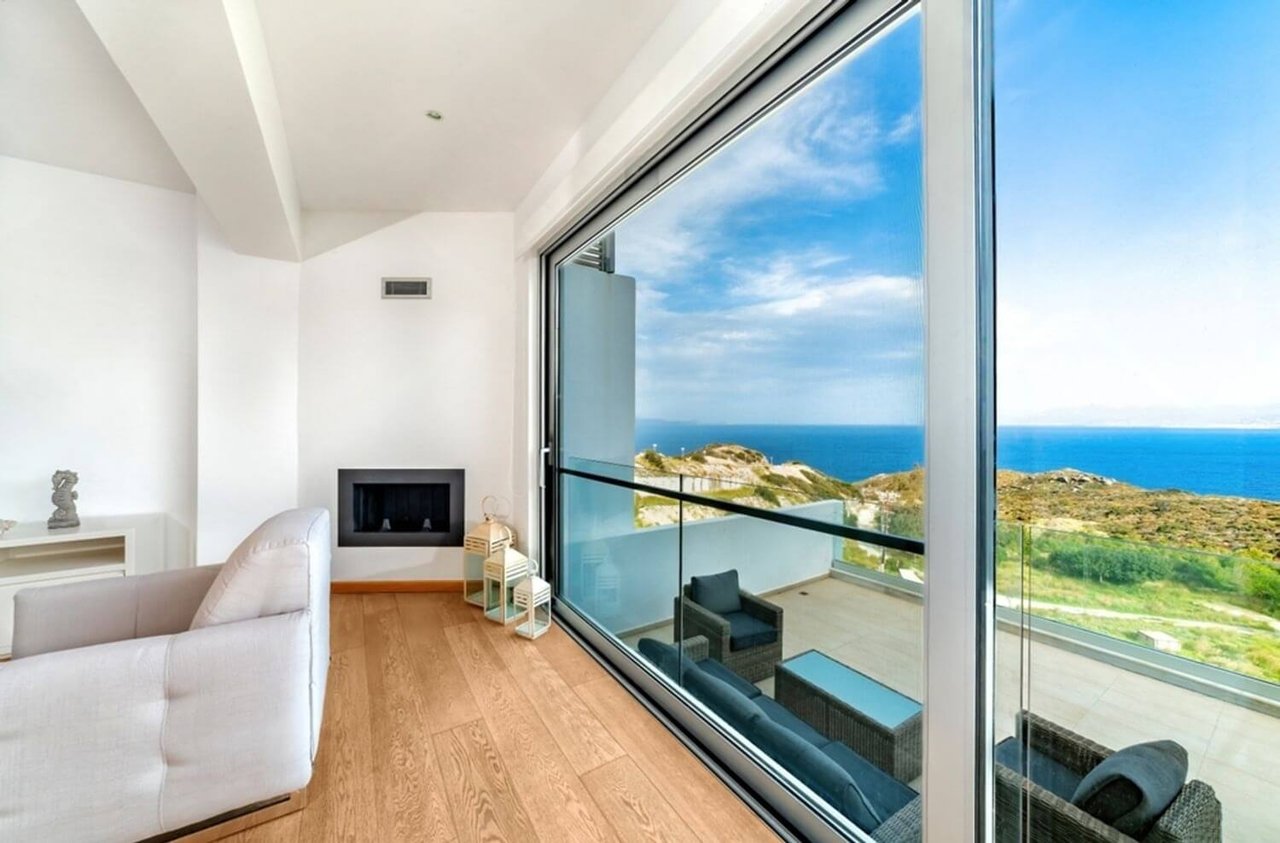
Within the constraints of the architectural code — yes, to a degree. Some homes in Alys Beach incorporate contemporary interior design and clean-lined courtyard configurations. What cannot change is the white stucco exterior, the arched elements, and the general massing language. Contemporary minimalism and the Alys Beach code are more compatible than you might expect.
How long does the Alys Beach ARB process take?
A first submission typically takes 6–10 weeks for review and feedback. With revisions, the full approval process can take 4–6 months before construction permits are issued. Experienced architects in the Alys Beach system can compress this timeline.
Are Alys Beach properties good investments compared to other 30A communities?
Alys Beach has historically performed well in terms of price-per-square-foot stability and resale premiums, in part because the design code prevents the visual degradation that can affect less controlled communities over time. However, the rental market is more restricted, which affects short-term rental income potential relative to communities like WaterColor or Rosemary Beach.
Thinking About Buying or Building in Alys Beach?
The combination of architectural code, ARB process, construction premium, and limited lot inventory makes Alys Beach one of the more complex purchases on 30A — and one of the most rewarding when it’s the right fit.
We can walk you through current inventory, connect you with ARB-experienced architects, and help you understand what the process actually looks like before you commit.
Contact Randy Carroll to explore Alys Beach listings and building opportunities.